
ASBHM2027

Annual Scientific Conference
Parmelia Hilton Hotel, Perth, Australia
Wednesday 10th February – Friday 12th February 2027
Proudly supported by:

KEY DATES
Abstract Submissions - CLOSED
Stay tuned for information regarding late-breaking abstract submissions
Early-Bird Registration - NOW OPEN!
Standard Registration Opens - 23rd November 2026
Abstract Submission Outcomes - By the end of October 2026
Scientific Program Released - 14th December 2026
About ASBHM2027
The aim of the Australasian Society for Behavioural Health and Medicine (ASBHM) 2027 conference is to expand our understanding of health psychology and behavioural medicine through innovative and translational research. Our high-quality annual meetings attract a diverse range of audience members and speakers from around Australia, New Zealand, and internationally. Speakers address delegates with topics and visions related to their unique expertise and experience in the behavioural medicine field. Each year, we feature three internationally-renowned Keynote Speakers, as well as host a free workshop (for delegates).
ASBHM2027 will be an in-person-only conference. In-person attendance, presentations and networking events will all take place in Perth, Western Australia. Take a look at the About the Venue page for details on the venue and our accommodation specials, and the About Perth page for more information on things to do in Perth and the surrounding parts of Western Australia. Start planning your trip now!
Keynote Speakers
Professor Helen Milroy AM (University of Western Australia, AU)
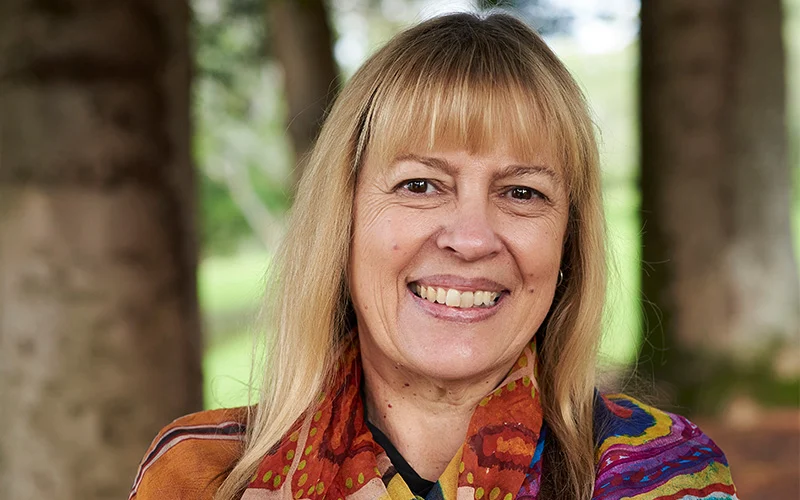
Helen Milroy is a descendant of the Palyku people of the Pilbara region of Western Australia. She is Australia’s first Indigenous doctor and child psychiatrist. Currently, Helen is the Associate Dean Indigenous for the UWA Medical School, and an Honorary Research Fellow at The Kids Research Institute Australia, where she is Co-Director of the Embrace research collaboration. Helen’s work and research interests include holistic medicine, child mental health, recovery from trauma and grief, application of Indigenous knowledge, mental health leadership, trauma-informed care and workforce development.
Helen is the Chair of the Gayaa Dhuwi Proud Spirit Australia organisation and a board member of Beyond Blue. Helen has been on state and national mental health and research advisory committees and boards with a particular focus on Indigenous mental health and the wellbeing of children. From 2013-2017, Helen was a Commissioner for the Royal Commission into Institutional Responses to Child Sexual Abuse and from 2017-2021 was a Commissioner with the National Mental Health Commission. In 2019, Helen was appointed as a Commissioner with the Australian Football League.
In 2020, Helen was the joint winner of the Australian Mental Health Prize and named the WA Australian of the Year for 2021. Helen is also an artist and published author and illustrator of children’s books. She has been shortlisted for several children’s literature awards and received the 2021 Whitley Award for best early childhood reader for Backyard Birds.
Professor Simon Rosenbaum (University of New South Wales, AU)
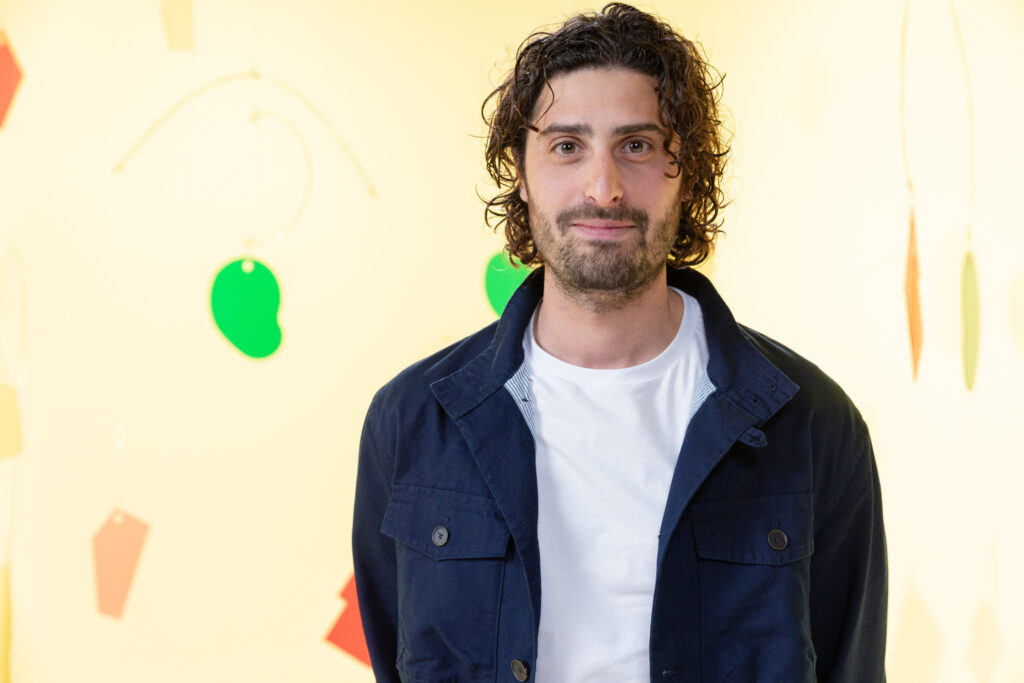
Simon Rosenbaum is a Professor at UNSW Sydney and the co-lead of the NExuS research group (Nutrition, Exercise, and Social Equity) in the Discipline of Psychiatry and Mental Health. His work spans physical activity, mental health and trauma. He works across both community services in Australia and humanitarian response internationally, with an emphasis on scalable, trauma-informed approaches that bridge local and global mental health care. He has published more than 330 peer-reviewed papers, is a Clarivate Highly Cited Researcher (2019–24) and was named a 2024 NSW Young Tall Poppy. He is currently supported by an NHMRC Emerging Leadership 2 Fellowship (2023-27).
His leadership roles have included President of the Australasian Society for Traumatic Stress Studies (2021–2023), elected national director of Exercise and Sports Science Australia (2015-21), and inaugural Co-Chair of the Olympic Refuge Foundation’s Think Tank on sport and humanitarian settings (2020–23), a role he resumed in 2026. He previously worked with the United Nations (IOM) as a community-based mental health and psychosocial support officer as part of the Rohingya refugee response in Cox’s Bazar, Bangladesh (2019-20), and he has held visiting academic appointments in Bangladesh, Colombia, Italy and Mexico. Locally, he is the founder of Addi Moves, a free, trauma-informed movement facility, located at the Addison Road Community Organisation in Marrickville, Sydney.
Dr Phillippa (Pippa) Lally (University of Surrey, UK)

Dr Phillippa Lally is a Senior Lecturer in Psychology at the University of Surrey, where she specialises in habit, behaviour change and health psychology, with a particular interest in adults living with and beyond cancer. She is co‑director of the Habit Application and Theory (HabitAT) Research Group, and co-lead of the European Health Psychology Society Habit Special Interest Group. She is an associate editor for Applied Psychology Health and Well-Being.
Internationally, Dr Lally is best known for her foundational work on how habits form in real‑world settings, including the widely cited paper “How are habits formed: Modelling habit formation in the real world” and subsequent theoretical and methodological contributions focusing on habit theory and measurement. Her research has also advanced understanding of how habit and related processes can be harnessed to support weight management, dietary change and physical activity in different population groups. Across her publications, she has accrued more than 11,000 citations.
Phillippa is passionate about applying psychological theory to interventions that improve physical and mental health, in ways that both inform healthcare practice and advance the theories on which they are based. She is currently a Principal Investigator on APPROACH, a trial of an app‑based, habit‑focused intervention to promote brisk walking among adults diagnosed with breast, prostate or colorectal cancer. She is also running a study co-designing a physical activity and self-compassion intervention to improve body image among young adults (18-39 years) living beyond cancer. Continuing her work on habit theory, she is leading a project developing and validating a new methodology for creating and measuring habits within a virtual reality lab.